Barolo e Barbaresco
Two fine aged reds which, at their very best, rank among the very finest wines in the world.

What they have in common
They are made entirely from Nebbiolo grapes sourced exclusively from the finest vineyards, situated within the boundaries of 15 small municipalities in the province of Cuneo, near the town of Alba, separated by the River Tanaro. These municipalities, in turn, form part of the Langhe, a hilly region in southern Piedmont, steeped in wine-growing culture, adorned with magnificent vineyards stretching as far as the eye can see and dotted with ancient villages and castles. Here, for centuries, man has worked and shaped the land for the production of great wines, and it is for these reasons that the area is recognised and classified by UNESCO as a World Heritage Site.
In both cases, the maximum yield per hectare is 80 quintals (reduced to 72 for reserves with a sub-zone designation). The colour is garnet red with orange highlights. The palate is dry, full-bodied and robust, with pronounced tannins that soften with ageing.
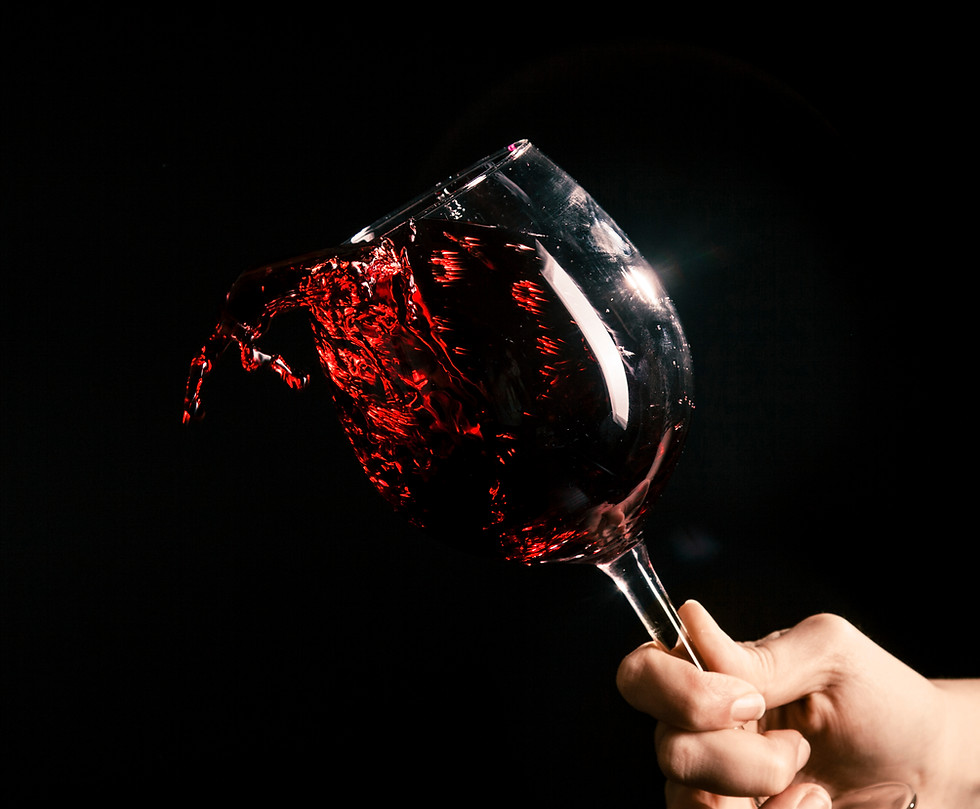
What sets them apart
Barolo is made from Nebbiolo grapes grown in eleven small municipalities south-west of Alba (including Barolo, La Morra, Castiglione Falletto, Serralunga d'Alba and Monforte d'Alba), whilst Barbaresco comes from four municipalities north-east of Alba (Barbaresco, Neive, Treiso and part of Alba).
Barolo must be aged for a minimum of 38 months (18 of which in wood). For the Riserva version, this rises to 62 months and it has a minimum alcohol content of 13% vol.
For Barbaresco, the minimum ageing period is 26 months (including 9 months in wood). For the Riserva version, this rises to 50 months and has a minimum alcohol content of 12.5% vol.
But it is above all the soil and the microclimate of each individual zone and sub-zone that determine the differences.
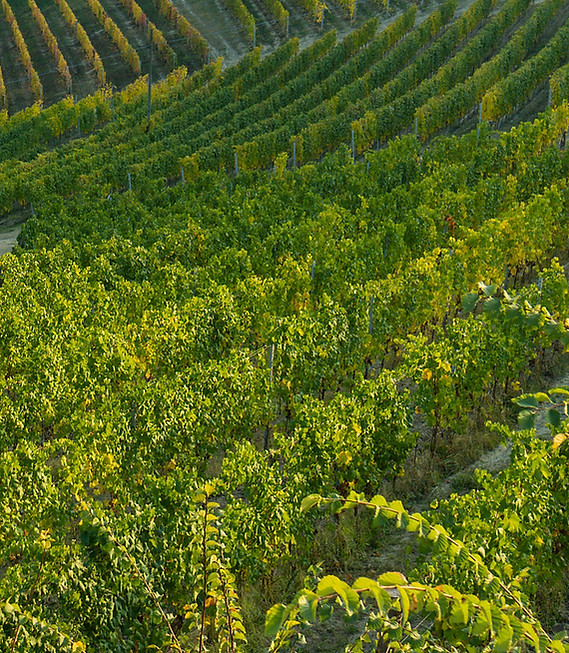
In Barolo, the following can be observed:
Lequio Formation (widely found in Serralunga d'Alba and Monforte d'Alba): alternating layers of compact marl, sandstone/sand and clay, often with a higher content of iron and minerals. Here, the wines tend to have more pronounced tannins, greater structure and depth, more pronounced acidity, and a very long ageing potential.
Sant’Agata Fossili marl (typical of La Morra and the municipality of Barolo): Tortonian marl richer in clay and limestone, generally softer and more erodible. Here, the wines are often more fragrant and floral, more approachable when young, elegant and refined, and less austere.

In Barbaresco, the following are predominant:
Soils composed of Tortonian calcareous marl, alternating layers of limestone, clay and fine sand. Their composition is more uniform than the geological mosaic found in Barolo. These soils are also generally more fertile, less compact, ‘warmer’ and produce earlier ripening grapes.
Stylistically, this soil tends to produce Nebbiolo with greater aromatic openness even when young, more immediate floral and spicy notes, a body that is generally less austere, and very marked elegance and finesse.
Each area, each sub-area, selected and cultivated over the centuries thanks to the knowledge and hard work of local farmers, is characterised by a distinct microclimate: sunlight, temperature, fog formation, proximity to watercourses, altitude, ventilation and so on can have a huge impact on the differences in the grapes produced by vineyards that are geographically very close to one another.

And then there is the winemaker,
who, through the care taken in the vineyard and the work carried out in the cellar, leaves his own indelible mark on the final organoleptic profile of these magnificent reds.
To put it very simply: if Nebbiolo is the grape variety, Barolo is its most austere and structured expression, perfect after long ageing, whilst Barbaresco is the most refined, gentle and moderately early-drinking.
For further information and detailed distinctions, please refer to the updated specifications for the two designations.